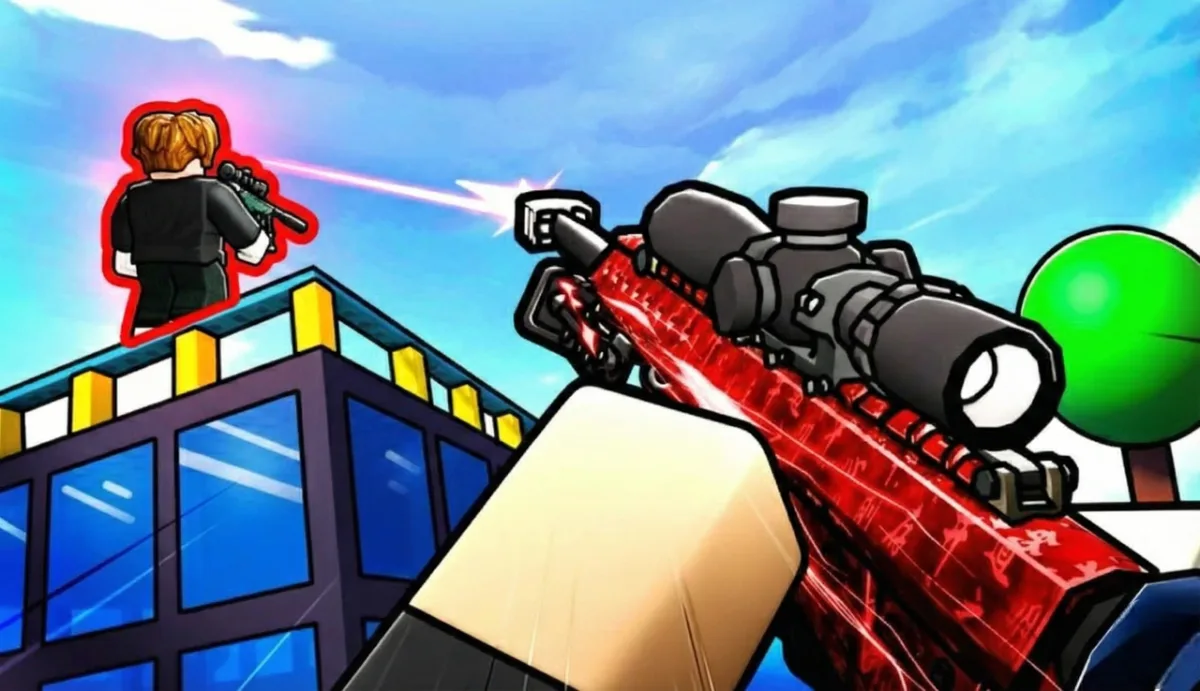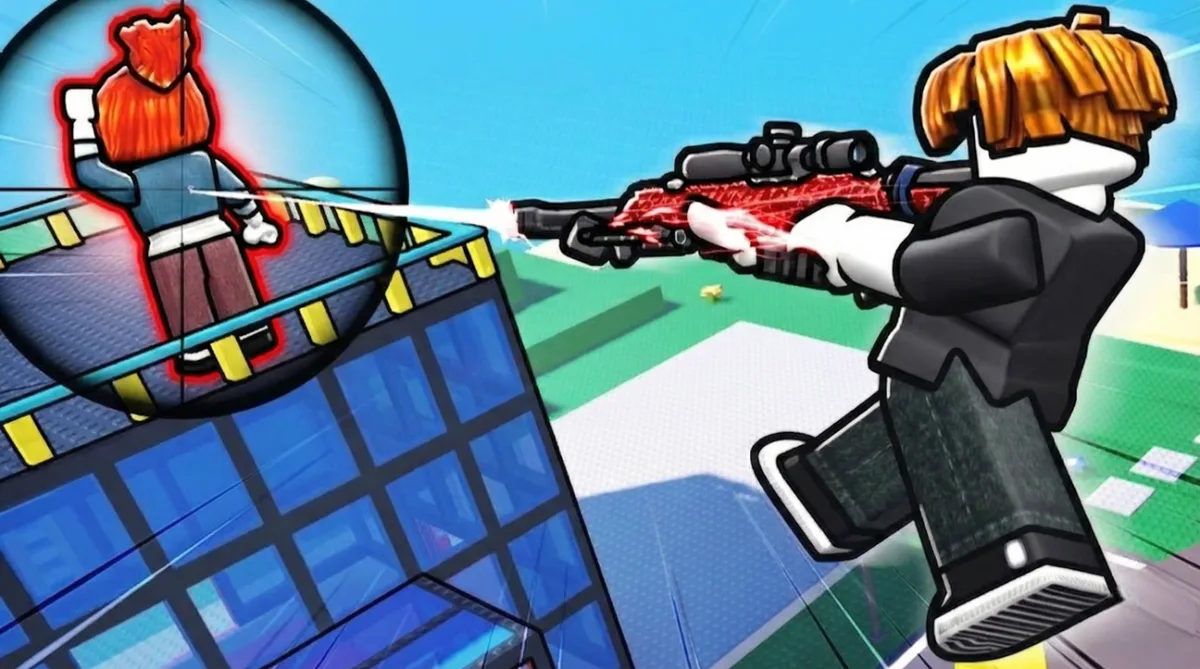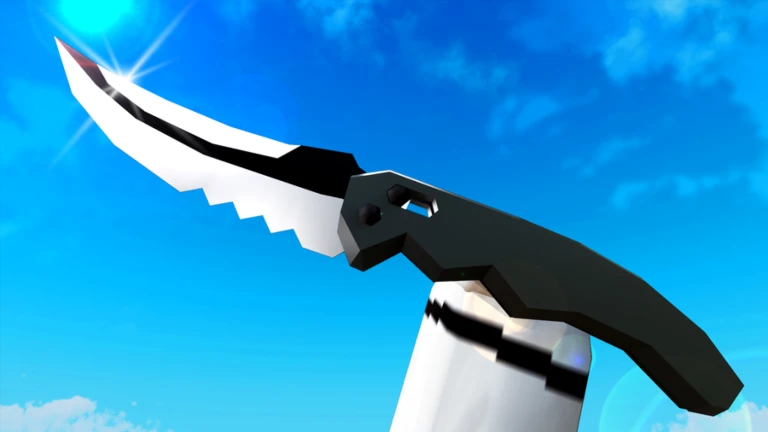
Complete Knife Arena beginner guide covering knife stats, throwing techniques, movement fundamentals, and map awareness. This guide breaks down the prediction-based gameplay that makes this game unique.
I went into Knife Arena expecting a gimmick. No guns, just knives? How hard could it be? Then I spent my first 20 matches missing every single throw and getting destroyed by players who could land headshots from across the map. Humbling doesn't begin to describe it.
After 50+ hours of grinding, I finally understand what makes this game tick. It's not about reaction time. It's about prediction, positioning, and knowing your knife inside out. The December 2025 updates have been massive, adding 2 new knives, 2 new maps (including a pixel-style one), a new Series Skin Case, and 1v1 Ranked matchmaking coming soon.
Grab the free knives and coins from codes before diving in. The starter knife from the LAUNCH code is genuinely better than the default blade.
What Makes Knife Arena Different
Most FPS games reward fast reactions. See enemy, shoot enemy. Knife Arena doesn't work like that.
Your knife has travel time. By the time your blade reaches where you aimed, your target has moved. The game rewards players who can predict movement, not react to it. This is why aim trainers won't help you here. You need to rewire how you think about aiming.
The skill ceiling is insane. I've watched players land 10+ consecutive headshots on moving targets. It looks like cheating until you realize they've just learned the prediction game.
Game Modes
Knife Arena currently has FFA, with 1v1 Ranked matchmaking confirmed as coming soon.
Free-For-All (FFA)
The classic mode. Everyone against everyone. First to hit the kill target wins. This is where you learn fundamentals because you can't rely on teammates.
FFA tips:
- Stay mobile. Camping works until someone flanks you.
- Track the leaderboard. Know who's winning and hunt them.
- Don't get tunnel vision. Enemies are everywhere.
1v1 Ranked (Coming Soon!)
The December 26 update announced 1v1 Ranked matchmaking is on the way. This is going to be huge for competitive players.
What to expect:
- Pure skill-based matchmaking. No third-party interference.
- Ranking system to track your progress.
- The real test of your knife-throwing abilities.
Start practicing your 1v1 skills now. When Ranked drops, you'll want to be ready.
Understanding Knife Stats
Every knife has four core stats that determine how it performs.
Throw Speed is how fast your knife travels through the air. Faster knives are easier to land on moving targets because there's less time for enemies to dodge. Slower knives require more prediction but often have other advantages.
Damage determines how many hits to kill. Some knives one-shot to the head, others need 2-3 body shots. Higher damage means more forgiving gameplay since you don't need pinpoint accuracy.
Range affects how far your knife can travel before dropping significantly. Short range knives force close-quarters combat. Long range lets you snipe from across the map.
Trajectory is the big one. Some knives fly straight like bullets. Others arc like grenades. Learning your knife's trajectory is the difference between consistent kills and throwing at walls.
The LAUNCH code knife has balanced stats across all categories. Great for learning fundamentals without fighting against your weapon's quirks.
Movement Fundamentals
Standing still in Knife Arena is suicide. You need to be constantly moving, but moving with purpose.
Strafing is your bread and butter. Move side to side unpredictably while throwing. This makes you harder to hit while maintaining your aim. Don't strafe in patterns though. Good players will read your rhythm and time their throws.
Jumping is a trap. New players jump constantly thinking it makes them harder to hit. It actually makes you more predictable. Your air trajectory is fixed once you jump. Smart players just aim where you'll land.
Crouch peeking works surprisingly well. Quick crouch, throw, stand. The height change throws off enemy aim. I started doing this after getting destroyed by someone who seemed impossible to hit.
Sprint management matters because sprinting affects your throw accuracy. Don't throw while sprinting. Stop, throw, then move again. The half-second pause is worth the accuracy boost.
Throwing Techniques
The actual throwing mechanics are simple. Click to throw. But there's depth here.
Lead your targets. This is the most important skill. Aim where your enemy will be, not where they are. The amount of lead depends on your knife's throw speed and the target's movement speed. This takes practice. A lot of practice.
Height compensation. Throwing uphill requires aiming higher than your target. Throwing downhill requires aiming lower. The arc works with gravity, so position yourself on high ground when possible.
Crosshair placement. Keep your crosshair at head height while moving. When an enemy appears, you only need to adjust horizontally, not vertically. This cuts your reaction time a lot.
Don't spam throws. There's a cooldown between throws. Missing and panic throwing again just leaves you vulnerable. Wait for the right moment. One accurate throw beats three missed ones.
Map Awareness
Knife Arena maps have specific flow patterns. Learning these gives you a massive advantage.
Spawn points are predictable. After a few matches on each map, you'll know where enemies spawn. Pre-aim these spots and catch people off guard.
Choke points are where most fights happen. Narrow corridors, doorways, ramp tops. Control these areas and you control the match.
High ground is king. Throwing downhill is easier than throwing uphill. The trajectory works in your favor. Always try to get to higher positions.
Cover usage is underrated. Peek, throw, hide. Don't stand in the open trading throws. Use corners and walls to break line of sight between throws.
Knife Selection Strategy
Different knives suit different playstyles. Here's how to think about it.
Speed knives are best for aggressive players who push fights. The fast travel time means less prediction required. Good for close to medium range.
Damage knives are best for players who want forgiving gameplay. One-shot potential means you don't need to land multiple throws. Good for all ranges.
Range knives are best for passive players who like to snipe. Long range lets you engage from safety. Requires strong prediction skills.
Balanced knives (like the LAUNCH code knife) are best for learning. No major weaknesses means you can focus on fundamentals without compensating for your weapon.
Check out the Knife Arena Knife Tier List for detailed rankings of every knife.
Common Mistakes
I made all of these. Learn from my pain.
Constantly switching knives. Every knife has different trajectory and speed. Switching constantly means you never learn any of them. Pick one knife and stick with it for at least 20 matches.
Aiming at enemies instead of ahead of them. Your knife isn't hitscan. By the time it arrives, they've moved. Lead your targets. Always.
Jumping during fights. Predictable air trajectory makes you easy to hit. Stay grounded and strafe instead.
Throwing while sprinting. Accuracy penalty isn't worth the speed. Stop, throw, move.
Ignoring the minimap. Enemy positions are shown. Use this information. Pre-aim spawns and rotations.
Panic throwing after missing. The cooldown leaves you vulnerable. Reset, reposition, try again.
Buying cosmetics before knives. Skins don't improve gameplay. Better knives do. Prioritize knife upgrades.
Advanced Techniques
Once you've got the basics down, these techniques separate good players from great ones.
Prediction stacking. Don't just predict where they'll be. Predict where they'll dodge to after seeing your throw. Throw at their escape route, not their current position.
Fake throws. Some players will dodge the moment they see you wind up. Use this against them. Start a throw animation, cancel, wait for their dodge, then throw at their new position.
Sound cues. Footsteps tell you where enemies are before you see them. Turn up your volume. Pre-aim corners based on sound.
Spawn timing. After killing someone, you know roughly when and where they'll respawn. Rotate to catch them off guard.
Progression Tips
The grind is real, but there are ways to speed it up.
Redeem all codes first. The Knife Arena codes give you free knives and coins. No reason not to grab them.
Focus on kills, not wins. You earn coins per kill, not per match won. Aggressive play earns faster than camping.
Complete daily challenges. These give bonus coins and sometimes crates. Check them every session.
Don't open crates early. Save them until you understand what skins you actually want. Early crate openings often give duplicates of stuff you don't care about.
Join the community. Discord and social media often have exclusive codes and tips. The community is surprisingly helpful for a competitive game.
Settings Optimization
Default settings aren't optimal. Here's what to change.
Sensitivity. Lower than you think. Knife Arena rewards precision over speed. I run 0.4 sensitivity after starting at 0.8.
FOV. Higher FOV lets you see more but makes targets smaller. Find a balance. I use 90.
Graphics. Lower graphics mean higher FPS mean smoother gameplay. Competitive advantage over pretty visuals.
Sound. Max volume for footsteps. Audio cues are key for prediction.
Quick Reference
Best starter knife: LAUNCH code knife (balanced stats)
Most important skill: Leading targets (prediction)
Biggest mistake: Aiming at enemies instead of ahead of them
Best position: High ground with cover nearby
Movement priority: Strafe > Crouch > Sprint > Jump
Related Content
- Knife Arena Codes for free knives and coins
- Knife Arena Knife Tier List for all knives ranked
- Knife Arena Maps Guide for map callouts and strategies
- Knife Arena Crates Guide for crate drop rates and best value
- Knife Arena Controls Guide for optimal settings
- RIVALS Codes for traditional FPS gameplay
- Blind Shot Codes for another prediction-based shooter